Weddings
These pages aren't about choosing flowers or playlists — they're here to walk you through what actually happens during the ceremony, so you’ll know what to expect when the big moment arrives.
The Seiyaku Wedsite
On this wedsite we explore what actually happens during a wedding ceremony. Why we bother with rings, veils, and other ancient customs that have somehow survived lace, lasers, and TikTok trends.
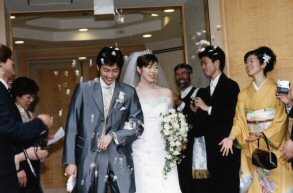
While many traditional elements have been pushed aside to make room for fresh ideas (some good, some... let’s say “creative”), it's a pity to lose the things that have stood the test of time.
So, to get back to what works, we’ll take a look at ‘Western’-style weddings in the Far East. Ironically, they often hang on to old Western traditions more faithfully than weddings do in the West. Think of it as vintage chic with extra etiquette.
We’ll zoom in on weddings in Japan and the Philippines. And for those considering marrying someone from either country, we’ll touch on the pleasures (and paperwork) of intercultural marriages, plus what’s legal, what’s not, and why you might need more than just love and a good translator.
Inside these pages, you’ll find insights on:
- your wedding dress - worn once, photographed forever
- the vows - with or without tears
- the wedding kiss - keep it PG, Grandma’s watching
- wedding rings - tiny circles, big commitment
- candles because fireworks aren’t allowed indoors, and wedding cross - the plus sign in your marriage
- the wedding bells, the "lucky" wedding horseshoe
- wedding veil and other charming ancient customs
- a few hymns - yes, ones people actually know
- a short Bible reading that won’t put people to sleep
- planning your wedding, and even a tongue-in-cheek how to choose the "luckiest day" for your wedding
...and more to come. Wedding content is like love: always growing.
You can also glance through this quick comparison of wedding traditions across a range of faiths and philosophies - from Buddhism to Sikhism. No arguments, just interesting reading.
This wedsite's far from finished. We'll continue putting up many more pages about the lovely concept of weddings. So check back here from time to time, and if you have any comments or ideas, please email us.


